Dakar’s BRT: what 121 all-electric buses teach fleet managers
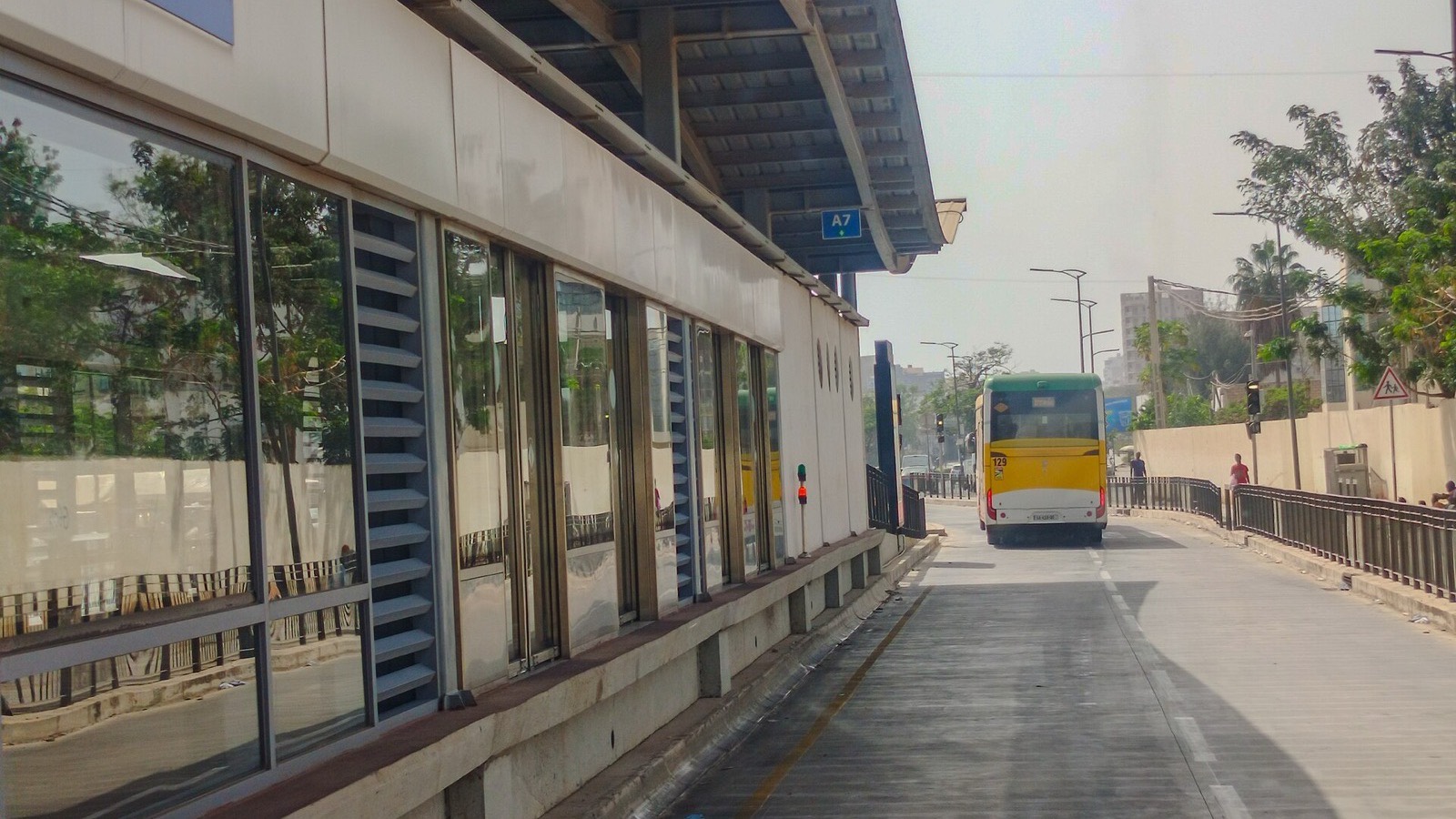
Sub-Saharan Africa’s first all-electric bus rapid transit system has been running in Dakar since 2024. Its successes and its difficulties hold lessons for any business thinking of electrifying its vehicles.
Why this matters
- Dakar’s BRT runs 121 all-electric articulated buses, charged overnight at the depot, in Dakar’s heat and traffic.
- It carried more than 18 million passengers in its first year, with 89% satisfaction according to the operator, but ridership is still far below the original target.
- Its lessons apply directly to taxi, ride-hailing, delivery and company fleets: charge at the depot, choose the right business model, and manage real-world use, not just vehicles.
Between Petersen station and the Guédiawaye prefecture, on about 18 km of dedicated lanes, articulated buses run every day without burning a drop of diesel. Rolled out gradually from 2024, Dakar’s BRT (Bus Rapid Transit) is sub-Saharan Africa’s first all-electric bus rapid transit system. It earned the city ITDP’s 2025 Sustainable Transport Award, an international benchmark in urban transport.
For a fleet manager, whether of taxis, ride-hailing cars, delivery vehicles or company cars, it is a full-scale test bed in Dakar’s climate and traffic. Here is what it teaches.
The system at a glance
| Route | Petersen – Guédiawaye, about 18 km, 23 planned stations |
| Fleet | 121 battery-electric articulated buses |
| Charging | At the depot, overnight |
| Operation | Dakar Mobilité, under the transport authority CETUD; buses bought and operated by private investor Meridiam |
| Financing | Infrastructure: concessional loans from the World Bank (IDA) and the European Investment Bank; IDA support closed the cost gap between diesel and electric buses |
| Ridership | More than 18 million passengers in year one, about 60,000 per weekday in summer 2025; 89% satisfaction in an internal survey |
Lesson 1: electric works in Dakar
Heat, dust, dense traffic, frequent stops: Dakar is a demanding environment. Yet since 2024, 121 electric buses have provided a daily service there. For a transport operator or a business, the question is no longer whether the technology works here, but how to organise it.
Lesson 2: plan charging at the depot, at the right time
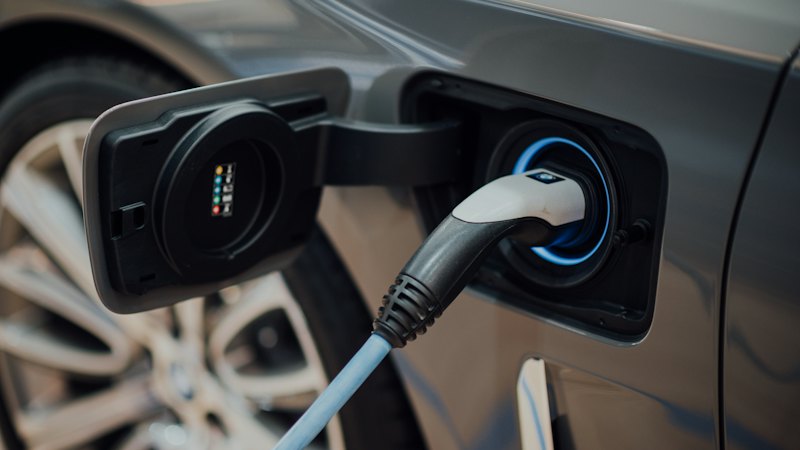
BRT buses charge overnight at the depot, when they are not running. It is the most economical model for a fleet: vehicles leave every morning fully charged, with no detours or waiting at a charger.
In Senegal there is an extra benefit. For customers connected at medium voltage, Senelec’s tariff has peak hours from 7 pm to 11 pm, when a kWh costs about 65% more than off-peak (184.65 against 111.91 FCFA on the general tariff). Scheduling charging after 11 pm cuts the bill directly.
For a company fleet, that means chargers installed on site. For taxis working double shifts, fast top-ups during the day help, which is why it pays to combine a private station with a public network subscription.
Lesson 3: the business model matters as much as the vehicle
An electric bus costs more to buy than a diesel bus, but much less to run. The BRT solved that equation through its financing: a private investor buys and operates the buses, and public financing covered the upfront cost gap with diesel.
The same logic applies at company scale. Rather than tying up capital in infrastructure, you can pay for use. That is GTech’s approach to charging in Senegal: stations are not sold, they are made available by subscription (public network) or for rent (a private station installed at the customer’s site).
Lesson 4: measure real-world use, not just the fleet
The BRT was designed for 300,000 passengers a day. A year after launch it was carrying about 60,000 per weekday, roughly 20% of the target. Dakar Mobilité’s management pointed out that the infrastructure was not yet complete (21 of 23 stations open in summer 2025) and that operations had been rolled out gradually.
The lesson has nothing to do with the drivetrain: the electric buses worked. It is about organisation. Before electrifying a fleet, you need to know the real routes, kilometres per day, downtime and parking locations. That is what determines how many chargers you need, how powerful they should be and where they go.
Lesson 5: train your teams
The BRT created more than 750 jobs, 45% of them held by residents of the districts it serves. Driving an electric vehicle, planning its charging, maintaining an electric motor: these skills are quick to learn, but they do have to be learned. A successful electrification plans driver and technician training from day one.
What it means for your fleet
Map your usage
Kilometres per day per vehicle, schedules, where vehicles park overnight.
Decide where and when to charge
Overnight at the depot first, outside peak hours; fast top-ups on the public network as a complement.
Compare total cost, not purchase price
Energy, maintenance and availability. Our calculations show that an electric kilometre costs about a third of a petrol kilometre in Senegal.
Start with a pilot
A few vehicles on the most regular routes, before rolling out further.
Ridership, employment and satisfaction figures come from the operator, as reported by the Senegalese press in July 2025. Avoided emissions are estimates published before operations began (53,000 t a year according to ITDP, 59,000 t according to Dakar Mobilité). GTech is not involved in the BRT project.
Frequently asked questions
What charging does a taxi or ride-hailing fleet need?
Like the BRT, most fleets charge at the depot while vehicles are parked. A taxi working double shifts will also need fast top-ups during the day. In Senegal, GTech offers public stations by subscription, including an unlimited plan designed for high-mileage drivers, and private stations installed at your site.
Can electric vehicles handle Dakar’s heat?
The BRT has shown it every day since 2024 with 121 buses. Modern batteries have thermal management that keeps them in their ideal temperature range; air conditioning raises consumption, which needs to be factored into sizing.
Why is BRT ridership below forecasts?
In summer 2025, 21 of the 23 planned stations were open and operations had been rolled out gradually, as Dakar Mobilité’s management pointed out. These difficulties relate to infrastructure and the network, not to the buses being electric.
Do I need to buy the charging stations?
Not with GTech: our stations are not sold but made available, by subscription for the public network or for rent for a private station installed at your site. As with the BRT buses, this lowers the upfront investment.
Sources
- ITDP: Dakar receives the 2025 Sustainable Transport Award
- ITDP (2026), What cities can learn from the Africa region’s first electric BRT
- Le Quotidien (9 July 2025), One year after the BRT entered service: more than 18 million passengers
- Sunu Jotaay, BRT one year on: a mixed record with 20% of targets reached
- Proparco, Dakar Mobilité secures financing for the first-ever 100% electric BRT in sub-Saharan Africa
- CETUD, Bus Rapid Transit project
- CRSE, Senelec tariff grid from 1 January 2026 (peak hours 7 pm to 11 pm)